
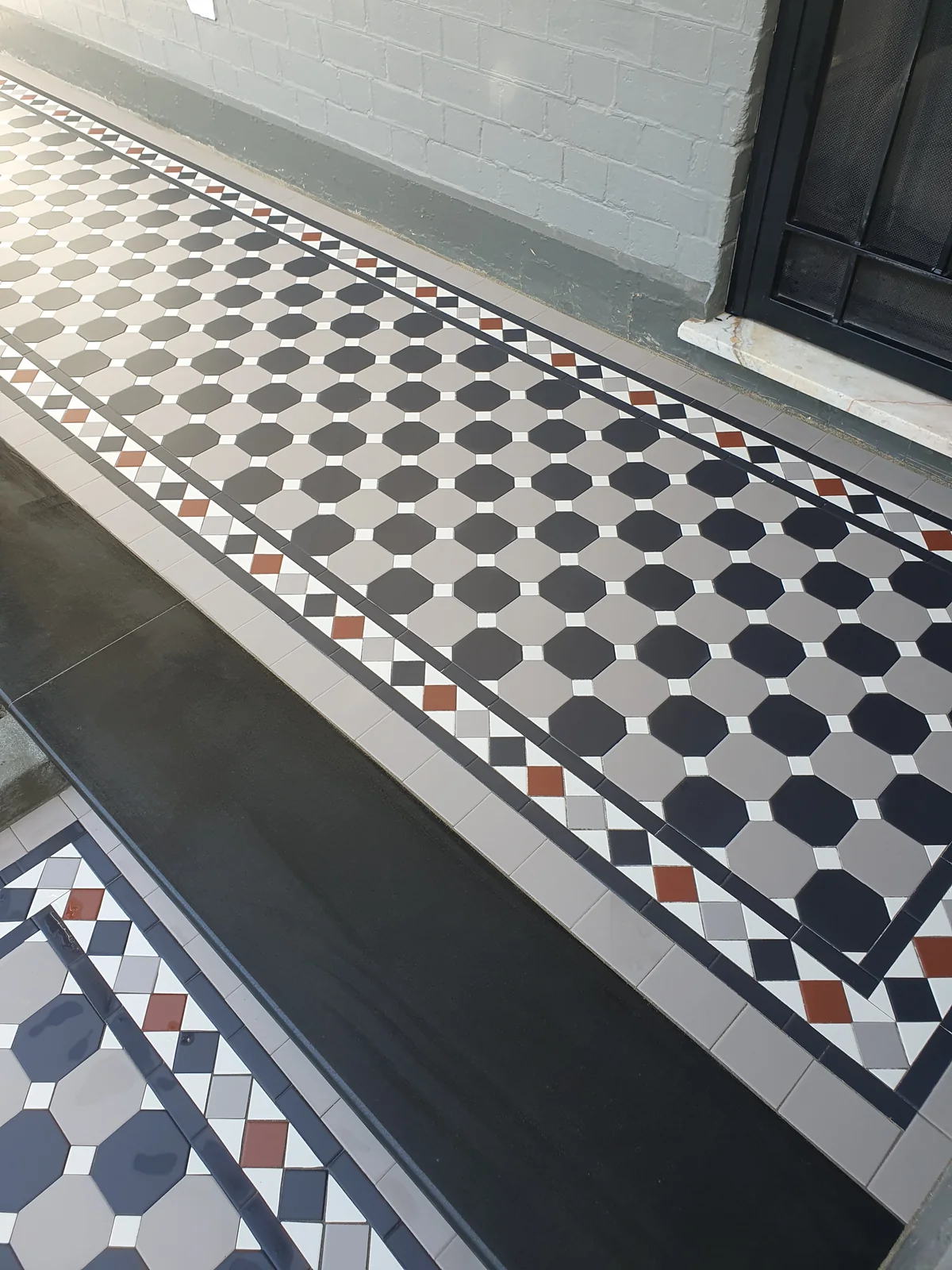
Marrickville, NSW
Marrickville NSW tessellated tiling
Supply and installation tessellated tiles for the verandah and pathway in Marrickville, NSW.
Read the projectUse this Inner West area directory to find locality-specific heritage tiling guidance. The Inner West brings together a wide range of Sydney property settings, from harbour-side and industrial-influenced suburbs to garden-suburb streets and established residential areas. Inner West Council records a layered history shaped by the former Leichhardt, Ashfield and Marrickville councils, and its heritage resources show why tile work needs to respond to the individual building, streetscape and property record. This area guide connects you with tessellated tile design, supply, installation and restoration services, then points you to the relevant locality page for more focused guidance.
Inner West Council describes a local landscape that includes the working harbour and former industrial character of Balmain, the established streets of Leichhardt and Marrickville, the planned garden-suburb character of Haberfield and the changing architectural history of Ashfield. Rather than treating the whole area as one uniform style, tile choices should be considered against the home's proportions, surviving details, entry sequence and relationship with the street.
For a period property, useful design questions include whether a verandah or path retains original tile evidence, how a border or geometric field relates to the frontage, and whether new work should complement or carefully repair what remains. A site review can help separate a repair of existing fabric from a new installation and guide decisions about pattern, scale, edging and transitions without assuming that every older home has the same heritage status.
Land and suburbs — Inner West CouncilHeritage and development | Inner West Council
Inner West Council provides an interactive heritage map for checking heritage items and Heritage Conservation Areas by address. Its guidance also points owners to Schedule 5 of the Inner West Local Environmental Plan 2022, the NSW Planning Portal Spatial Viewer and the State Heritage Inventory. These checks are useful before selecting a repair or installation approach, particularly where a front verandah, path or other visible element contributes to the streetscape.
Council identifies tessellated tile repairs to front verandahs and paths as work that may be considered through a Heritage Exemption Certificate when the required statutory conditions are satisfied. That is not an automatic approval or a substitute for project-specific advice. If the property is heritage-listed or within a conservation area, confirm the applicable pathway with Inner West Council before work begins.
Researching your heritage property — Inner West CouncilHeritage and development | Inner West CouncilDo I need approval? — Inner West Council
A thoughtful tessellated layout can make a narrow entry, front verandah or side path feel connected to the house rather than added as an afterthought. Consider the visual weight of a border, the direction of the path, the scale of the repeating field and the way the pattern meets steps, thresholds and stone edging. On an established Inner West streetscape, restraint can be as important as ornament: the aim is to support the building's character and retain clear transitions between original and new work.
Craftsmanship is most useful when it begins with observation. Existing fragments, worn edges, drainage conditions, levels and access all affect whether the right outcome is selective restoration, a sympathetic extension or a new installation. Design consultation, tessellated tile supply, installation, restoration and stone bullnose or edging coordination can be considered together so the finished work reads coherently across the property.
Heritage and development | Inner West CouncilLand and suburbs — Inner West Council
Marrickville, NSW
Supply and installation tessellated tiles for the verandah and pathway in Marrickville, NSW.
Read the project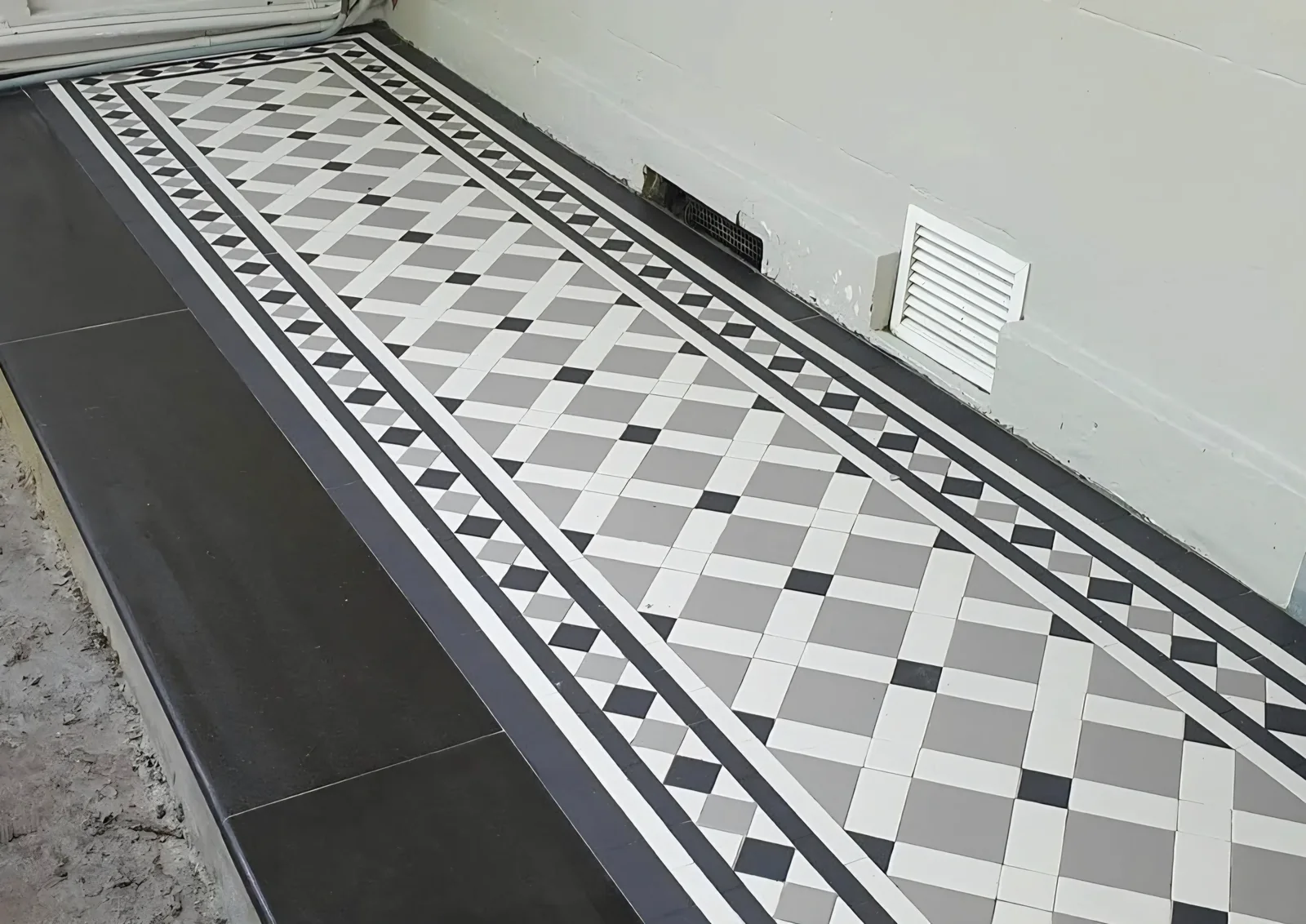
Dulwich Hill, NSW
Supply and installation tessellated tiles for the verandah, steps and entrance in Dulwich Hill, NSW.
Read the project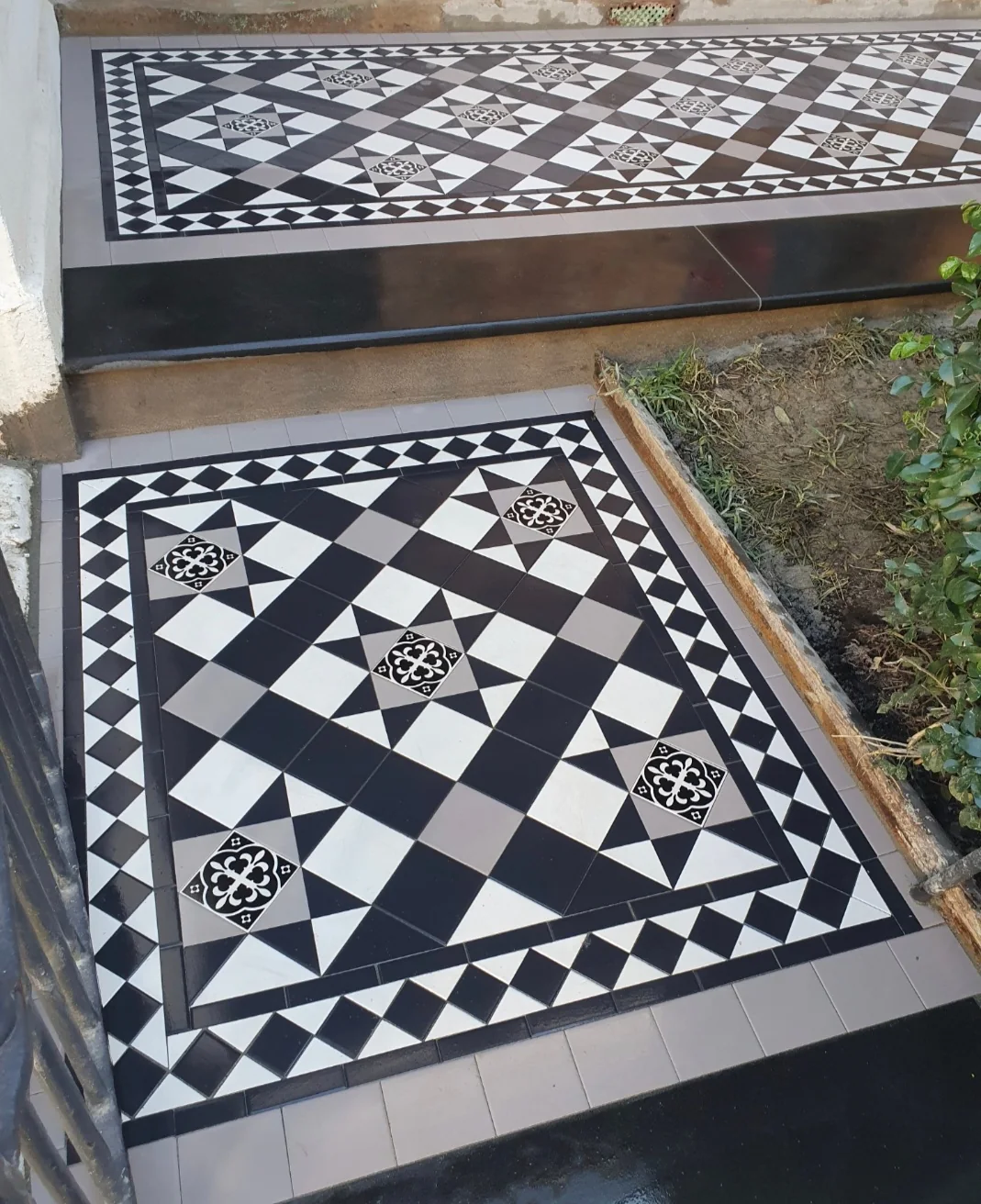
Newtown, NSW
Supply and installation tessellated tiles for the verandah and pathway in Newtown, NSW.
Read the project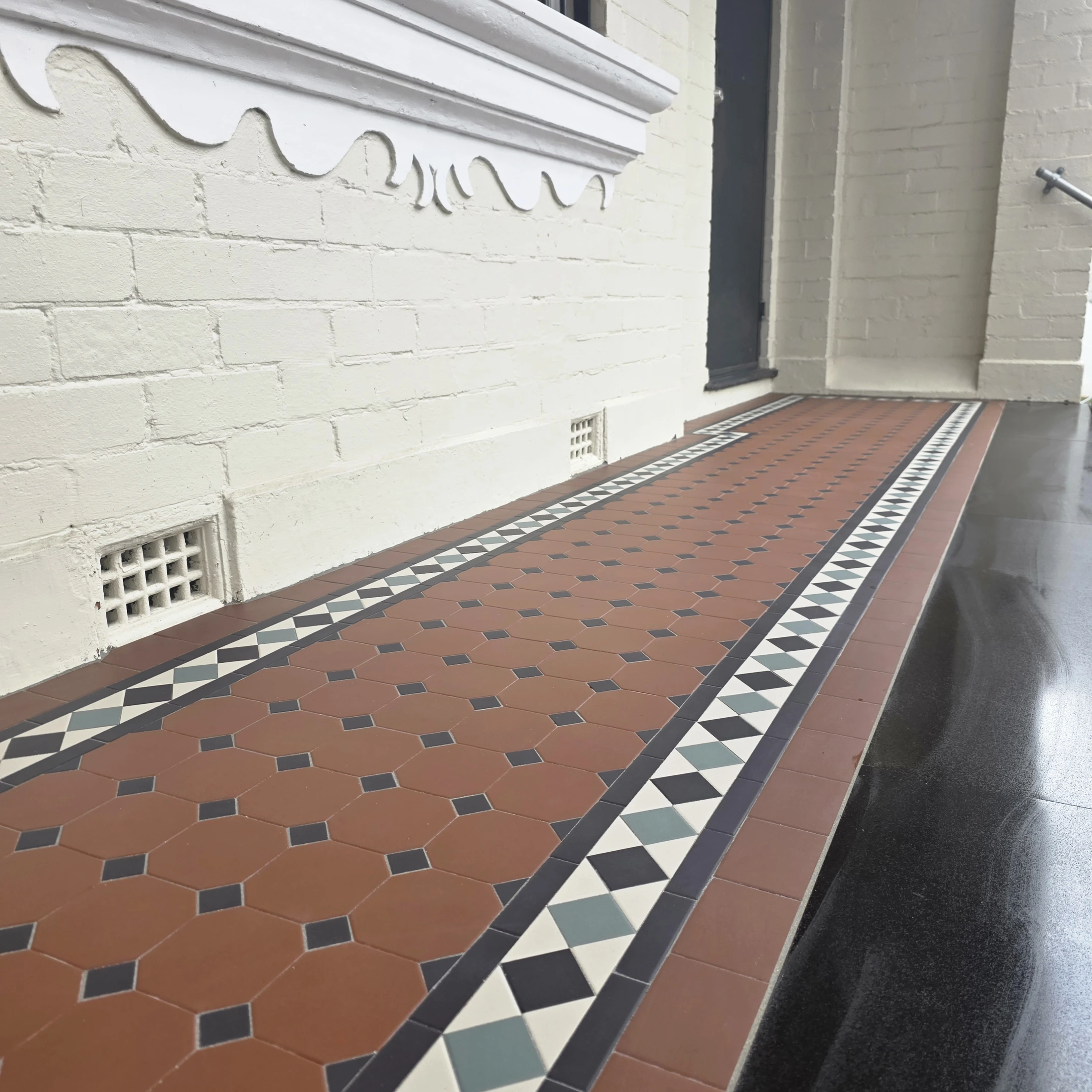
Stanmore, NSW
Preparation and installation of an Octagon & Dot verandah with a 120 mm Canterbury border, honed bluestone edging and Victorian green entrance risers.
Read the project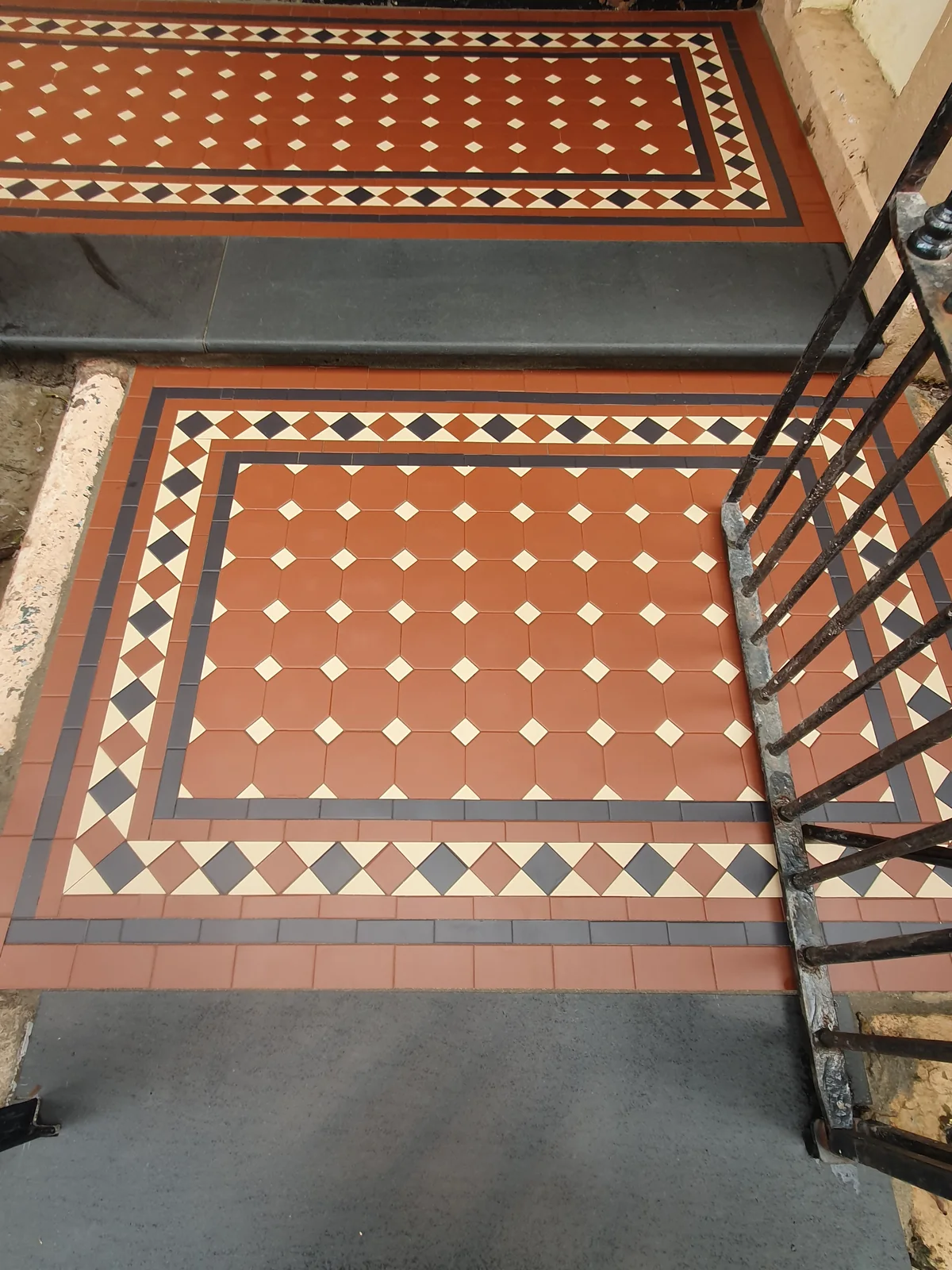
Annandale, NSW
Supply and installation tessellated tiles for the entrance in Annandale, NSW.
Read the project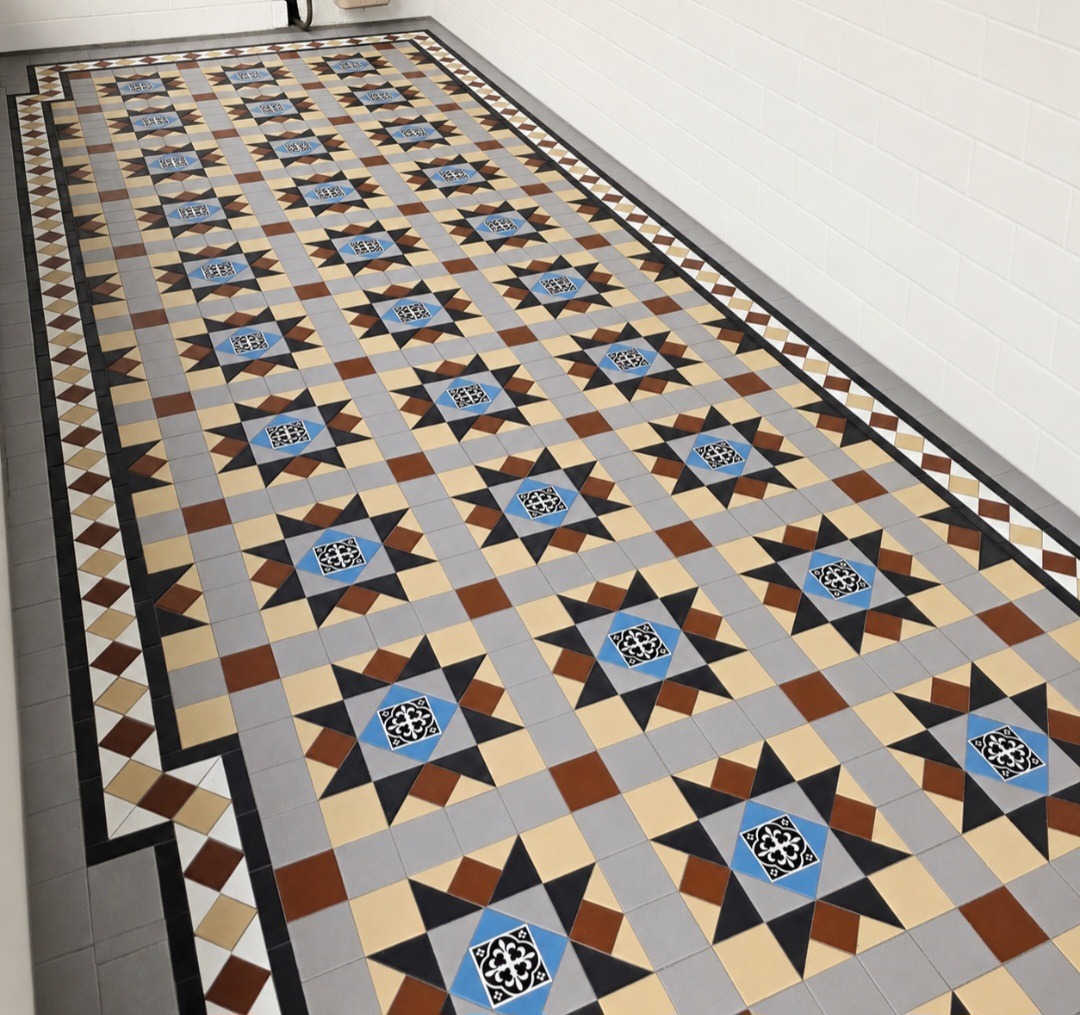
Leichhardt, NSW
Supply and installation tessellated tiles for the enclosed verandah and pathway in Leichhardt, NSW.
Read the project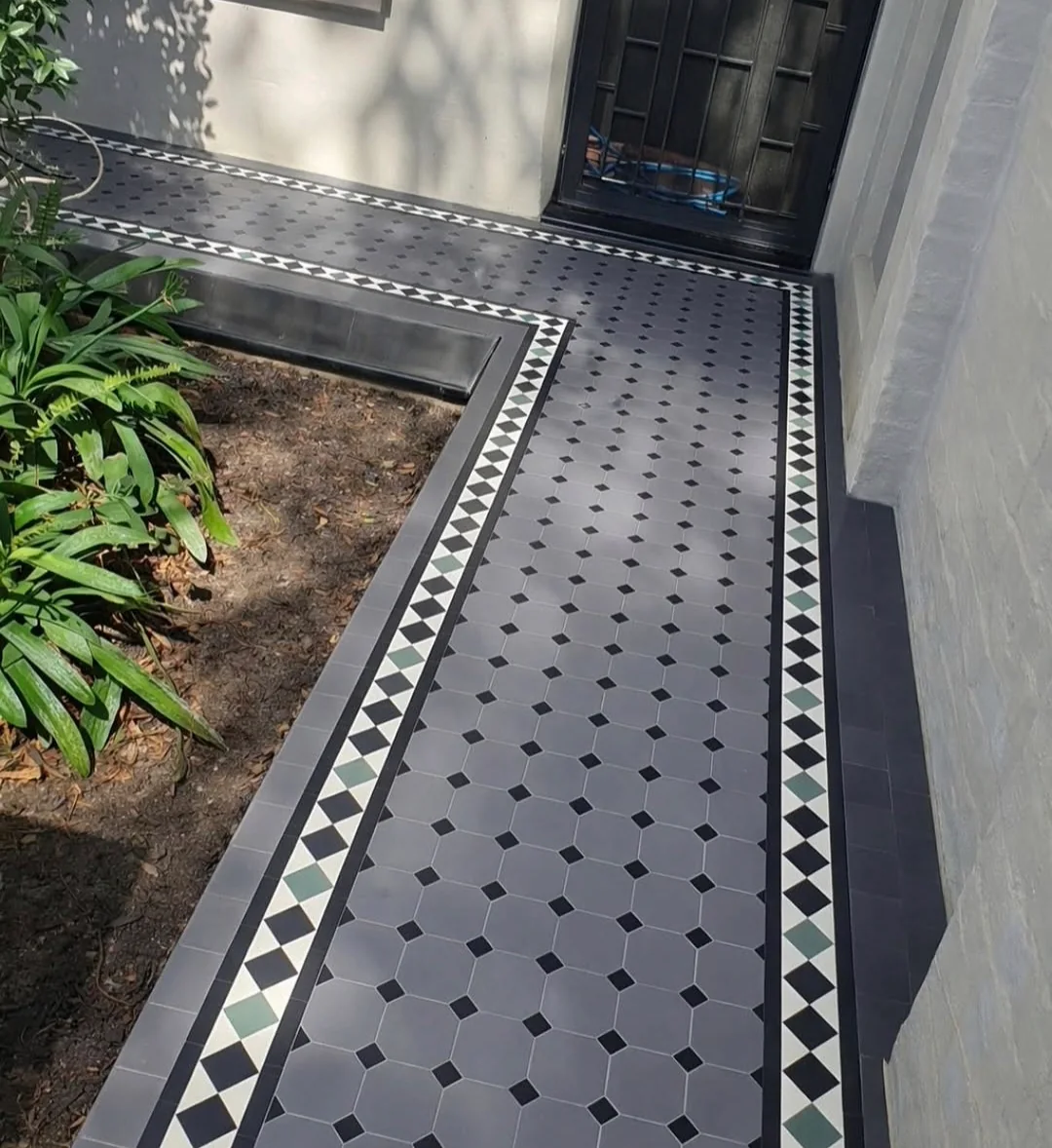
Petersham, NSW
Supply and installation tessellated tiles for the verandah and pathway in Petersham, NSW.
Read the project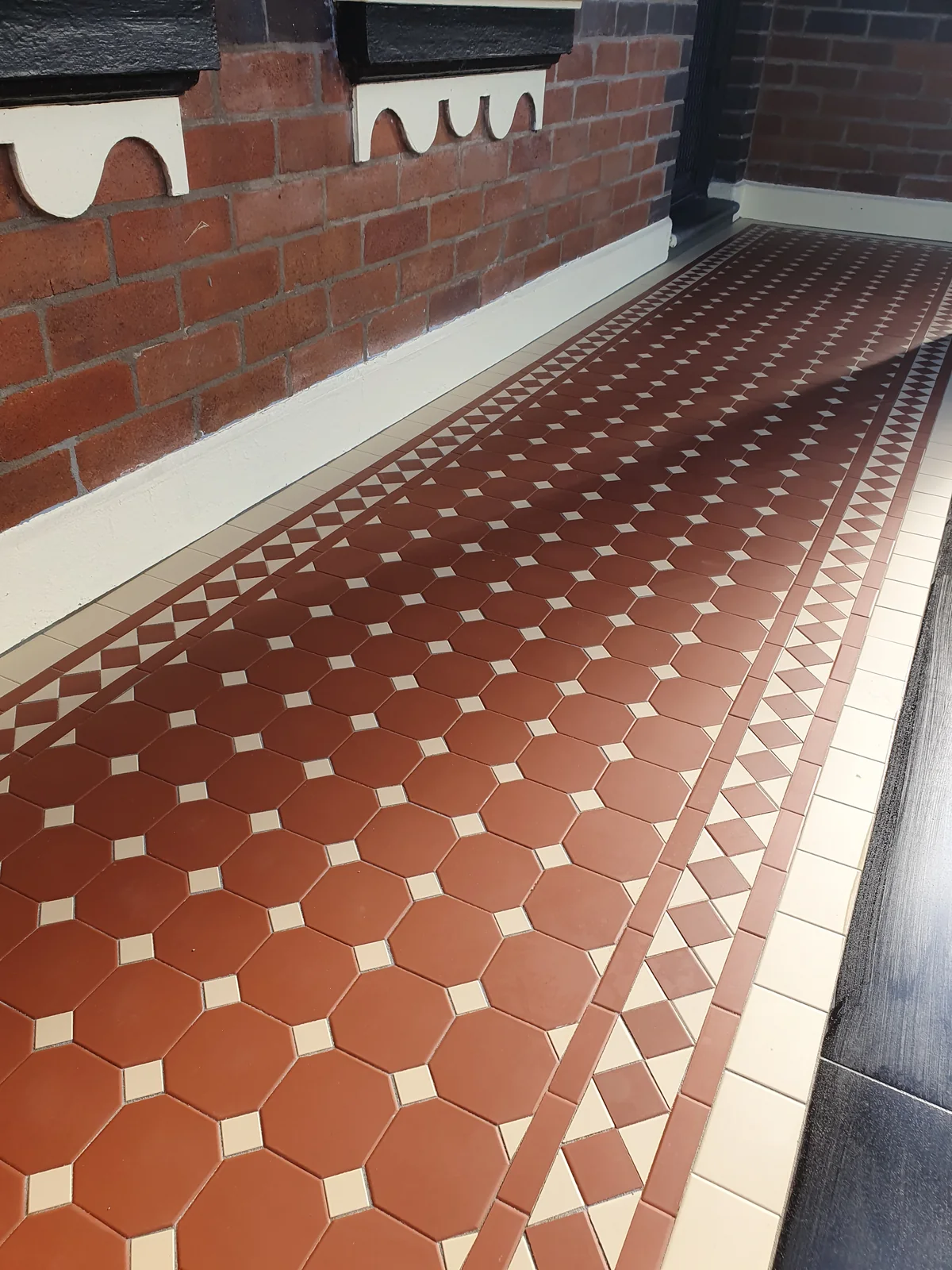
St Peters, NSW
Supply and installation tessellated tiles for the entrance in St Peters, NSW.
Read the project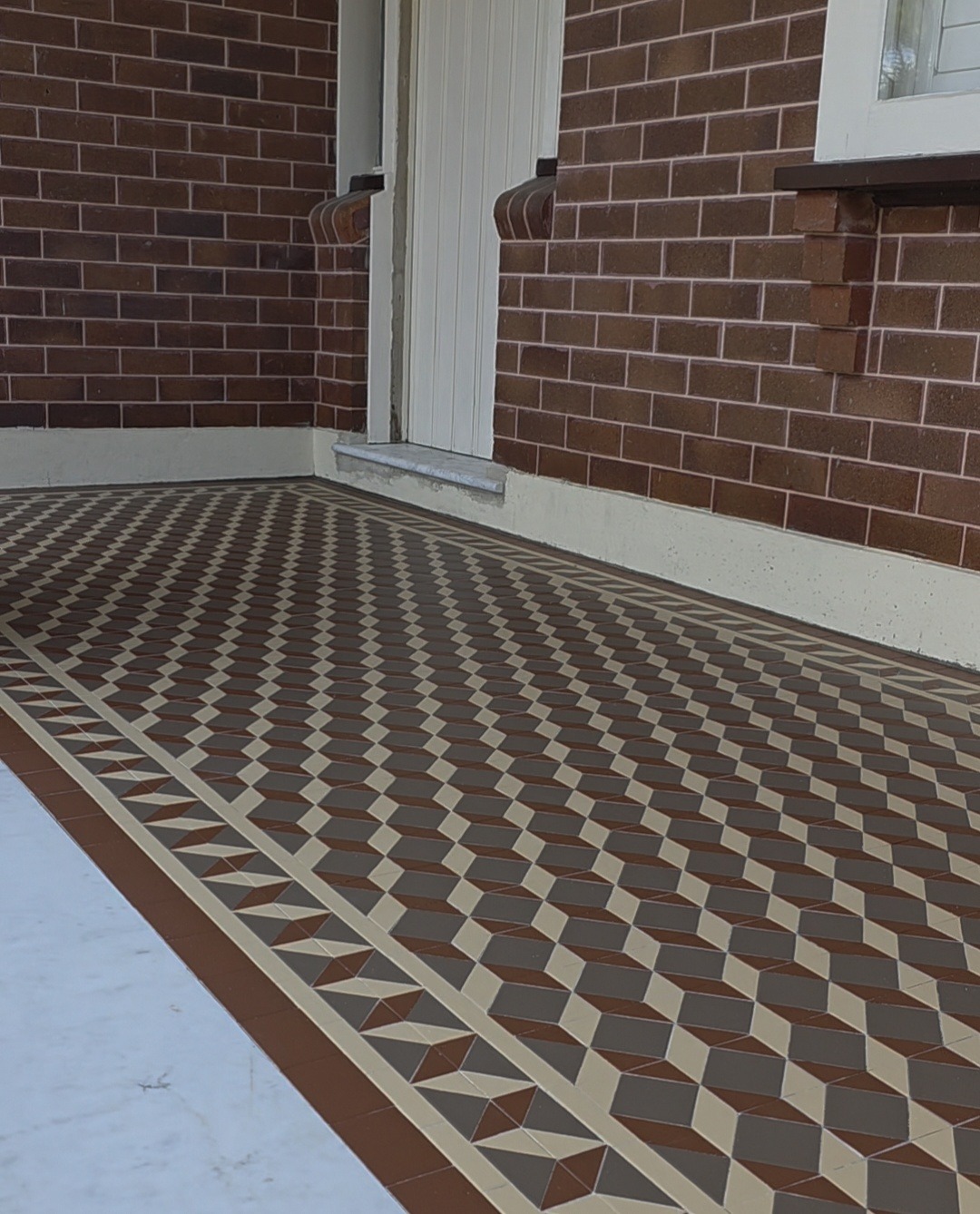
Haberfield, NSW
Supply and installation tessellated tiles for the verandah and pathway in Haberfield, NSW.
Read the project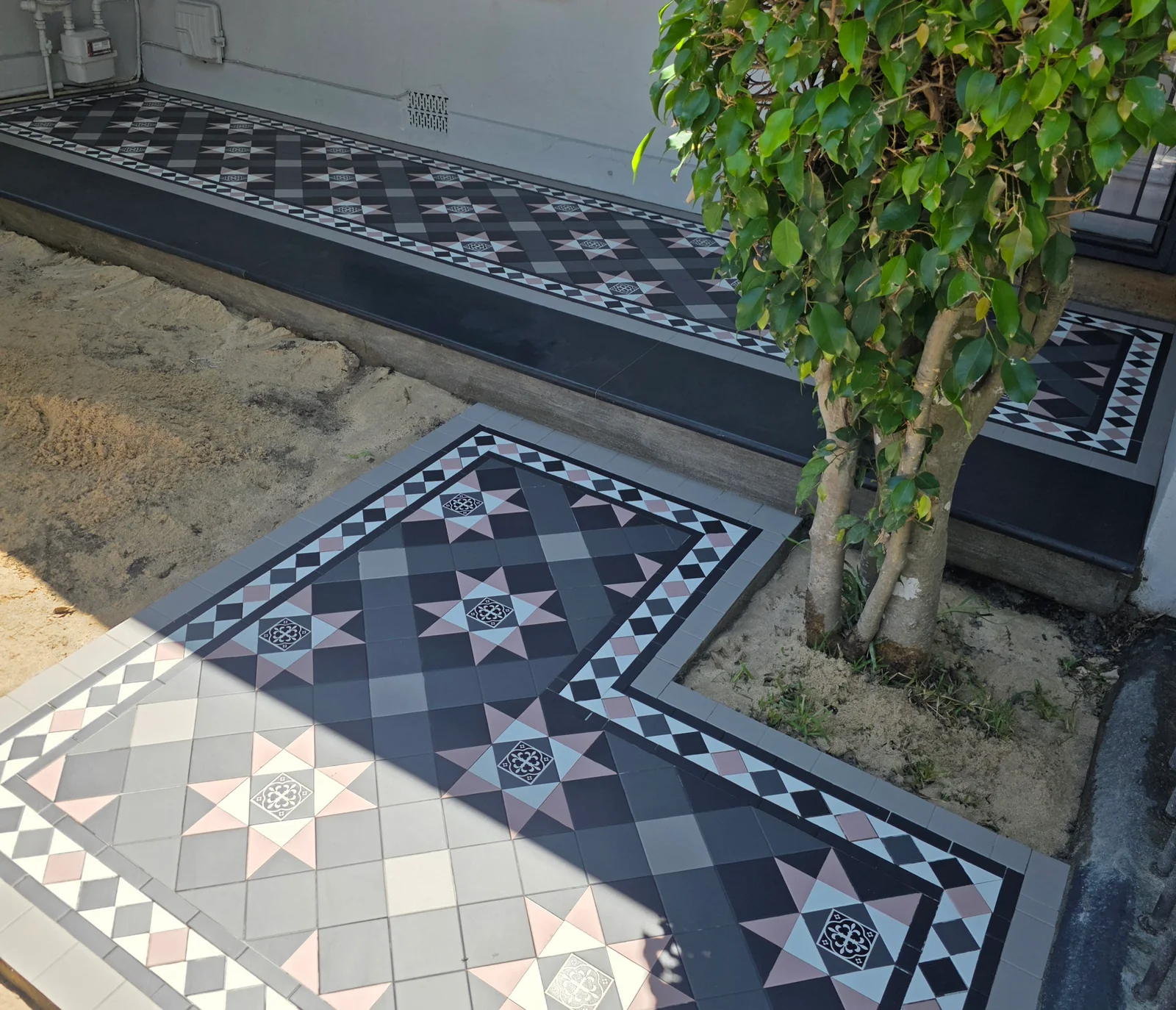
Rozelle, NSW
Supply and installation tessellated tiles for the verandah and pathway in Rozelle, NSW.
Read the project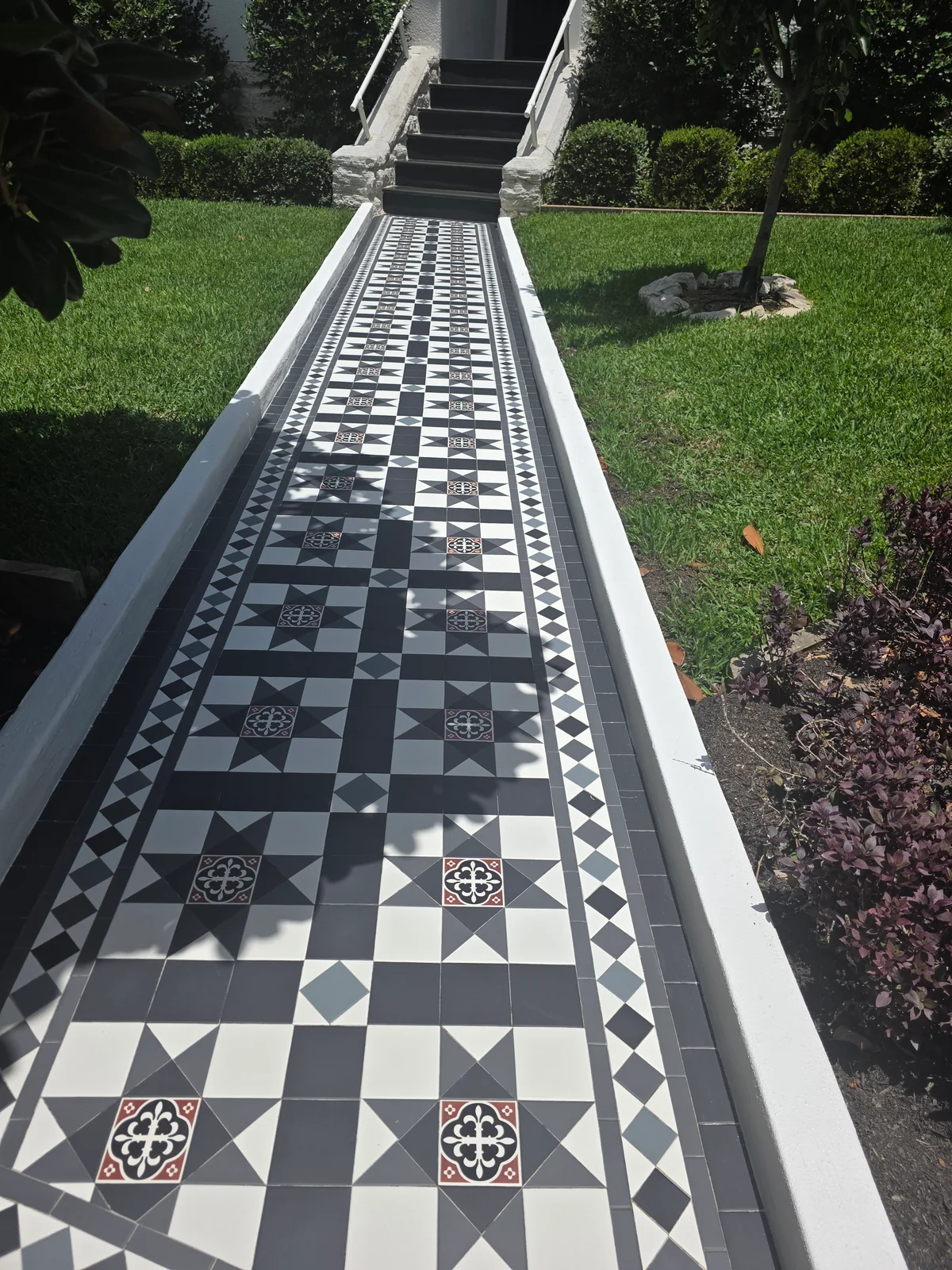
Drummoyne, NSW
Supply and installation tessellated tiles for the pathway and entrance in Drummoyne, NSW.
Read the project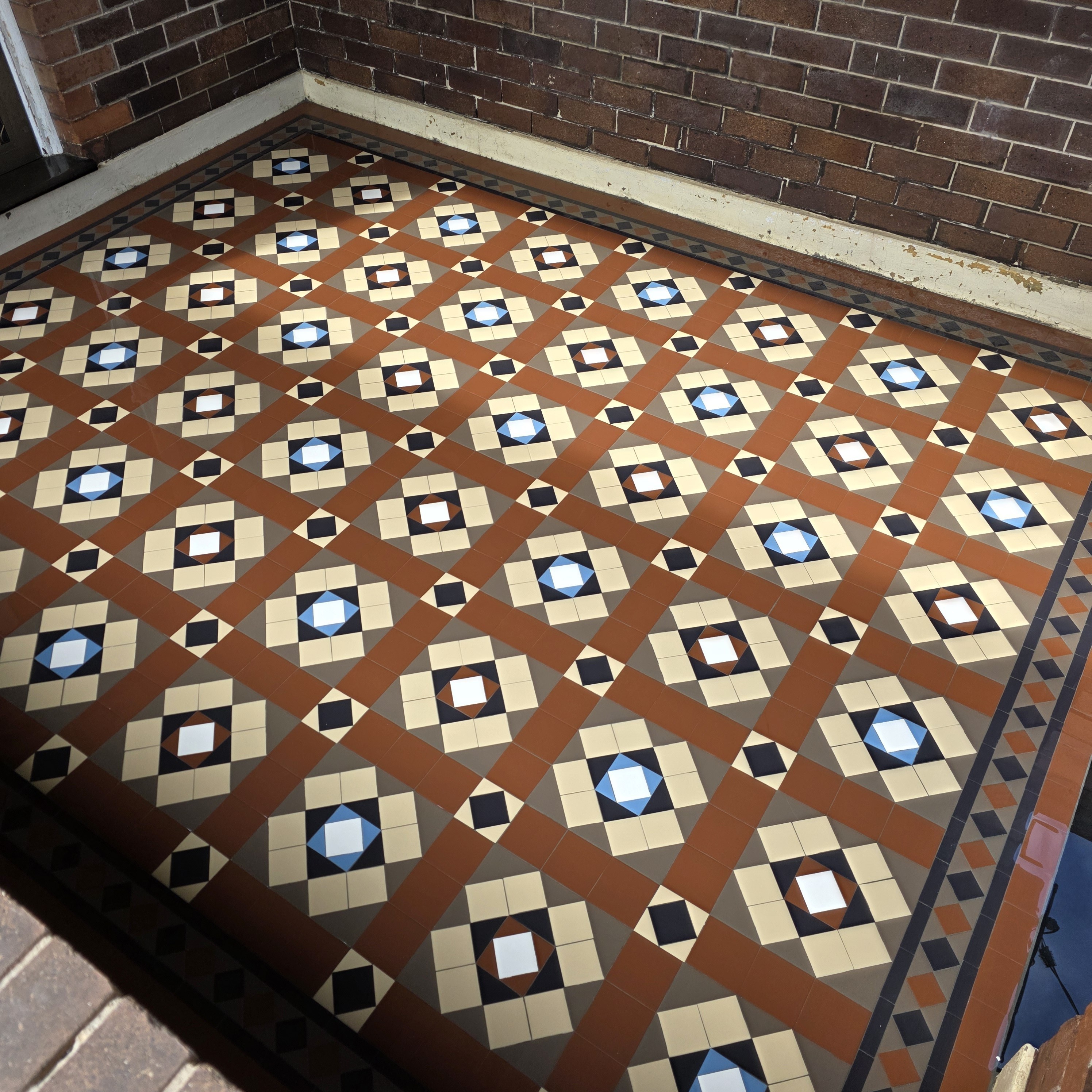
Croydon Park, NSW
Supply and installation tessellated tiles for the verandah in Croydon Park, NSW.
Read the projectNo. Heritage status is property-specific. Inner West Council distinguishes heritage items, Heritage Conservation Areas, archaeological heritage sites and Aboriginal places of heritage significance. Check the individual address using Council's heritage map, the Inner West LEP 2022 and the NSW Planning Portal Spatial Viewer rather than relying on the age or appearance of a house alone.
Council lists tessellated tile repairs to front verandahs and paths as an example of work that may be supported through a Heritage Exemption Certificate where the statutory conditions are met. It is not an automatic exemption. Confirm the property's status and the required approval pathway with Inner West Council before starting work.
Start with the building and its setting: look for surviving tile fragments, verandah proportions, entry and path geometry, border scale, steps, thresholds, drainage and any stone edging. The design should be considered alongside the property's existing fabric and streetscape character rather than selected from a suburb-wide assumption.
Use the locality link that matches the property, including Marrickville, Dulwich Hill, Summer Hill, Newtown, Stanmore, Ashfield, Leichhardt, Petersham, Haberfield, Balmain, Birchgrove and the other listed routes. If the address sits near a service-group edge, confirm the relevant planning authority and heritage record separately because the directory grouping is for navigation, not a legal boundary statement.
Share your location, project details and photographs using our enquiry form, or call 0433 932 711.